

Voluntarily immersing oneself in a tank of ice water sounds, at first glance, like a form of self-inflicted torture. However, from high-performance athletes to people who are simply looking to perform better in their daily lives, more and more people are embracing cold water immersion. Is it just a social media trend or is there real scientific backing? The answer lies in how human biology responds to controlled stress.
The dopamine rush (without the caffeine crash)
Upon entering cold water (around 10°C–15°C), the body activates an instant survival mechanism. A study published in the European Journal of Applied Physiology ( Šrámek et al. ) showed that immersion in cold water increases dopamine levels by 250% and noradrenaline by more than 500%. Unlike stimulants such as coffee or energy drinks, this high does not crash: dopamine remains elevated for hours, improving mood, concentration, and mental clarity in a sustained manner.
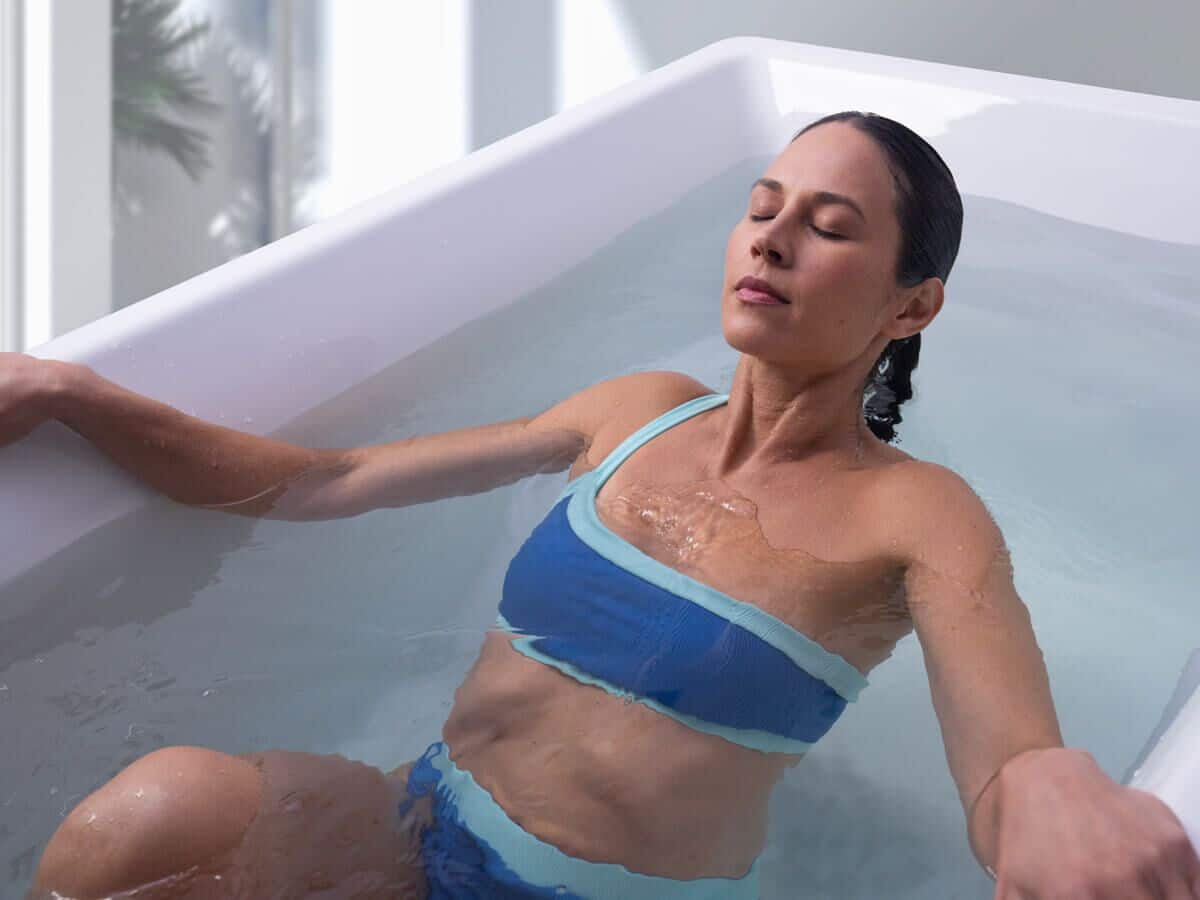
Accelerated muscle repair
For those who train intensely, the cold is a proven recovery tool. The vasoconstriction produced by the temperature decreases blood flow in inflamed tissues, reducing swelling and microinflammation. A systematic review published in the British Journal of Sports Medicine concluded that cold water immersion significantly reduces delayed onset muscle soreness ( DOMS ) and accelerates the restoration of muscle strength compared to passive rest.
Brown fat: igniting the metabolic engine
Not all fat in the body acts the same. Humans possess Brown Adipose Tissue (BAT), a metabolically active fat rich in mitochondria that burns energy to produce heat (thermogenesis). Research published in journals such as Cell Metabolism shows that recurrent exposure to cold activates and increases the density of this brown fat, which helps improve insulin sensitivity and optimizes resting calorie expenditure.
Exercises for the nervous system
The initial shock of the icy water triggers a “fight or flight” reaction. Entering, controlling your breathing, and staying calm teaches the parasympathetic nervous system to regulate stress. This process improves heart rate variability (HRV) and trains the brain to react calmly to everyday pressures.
Exposure to the cold is not about suffering, but about awakening metabolic and neurological mechanisms that the comfort of air conditioning and heating have put to sleep. It only takes a couple of minutes to give your biology a complete reset.
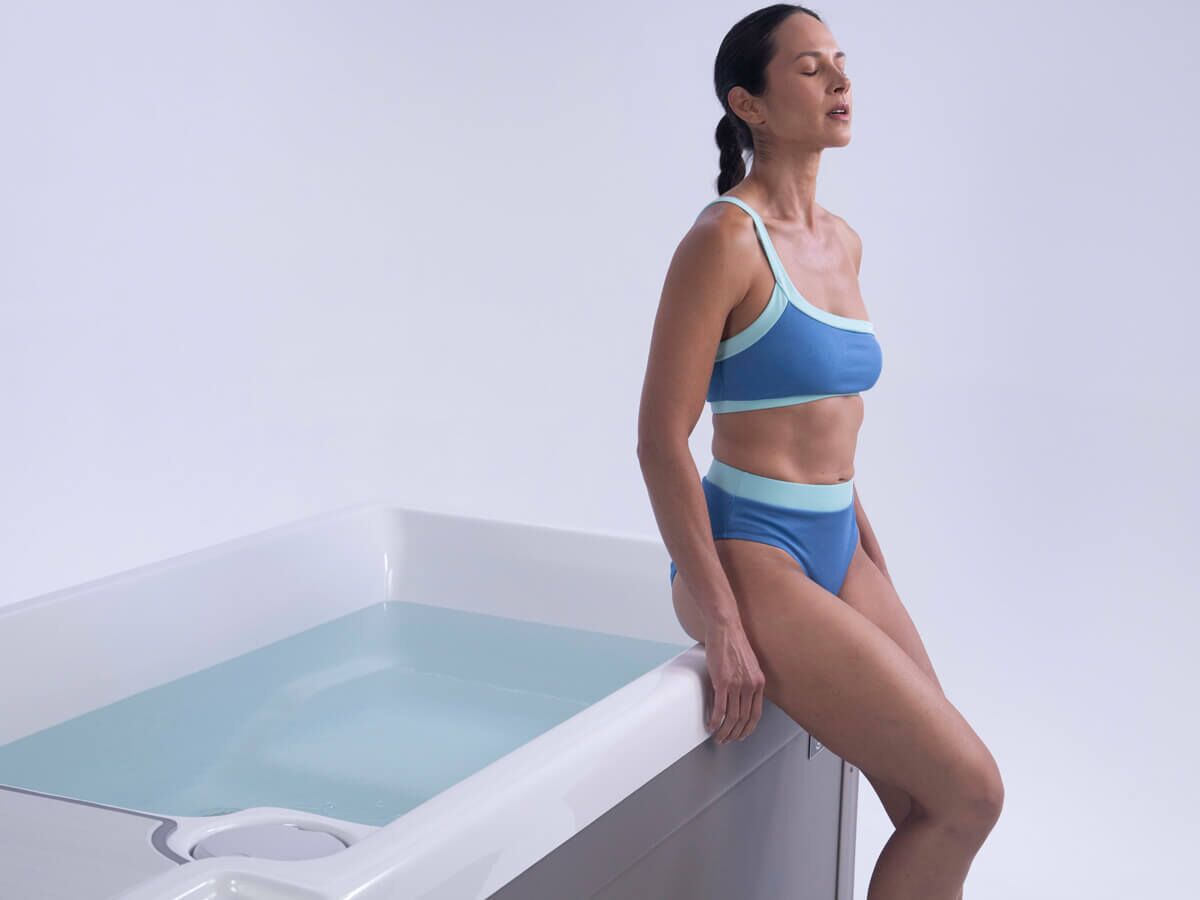
Are you interested in learning more about cold water immersion? Visit us! Our specialists are ready to guide you through the process, answer your questions, and help you safely integrate this practice into your wellness routine.